



 Back to Search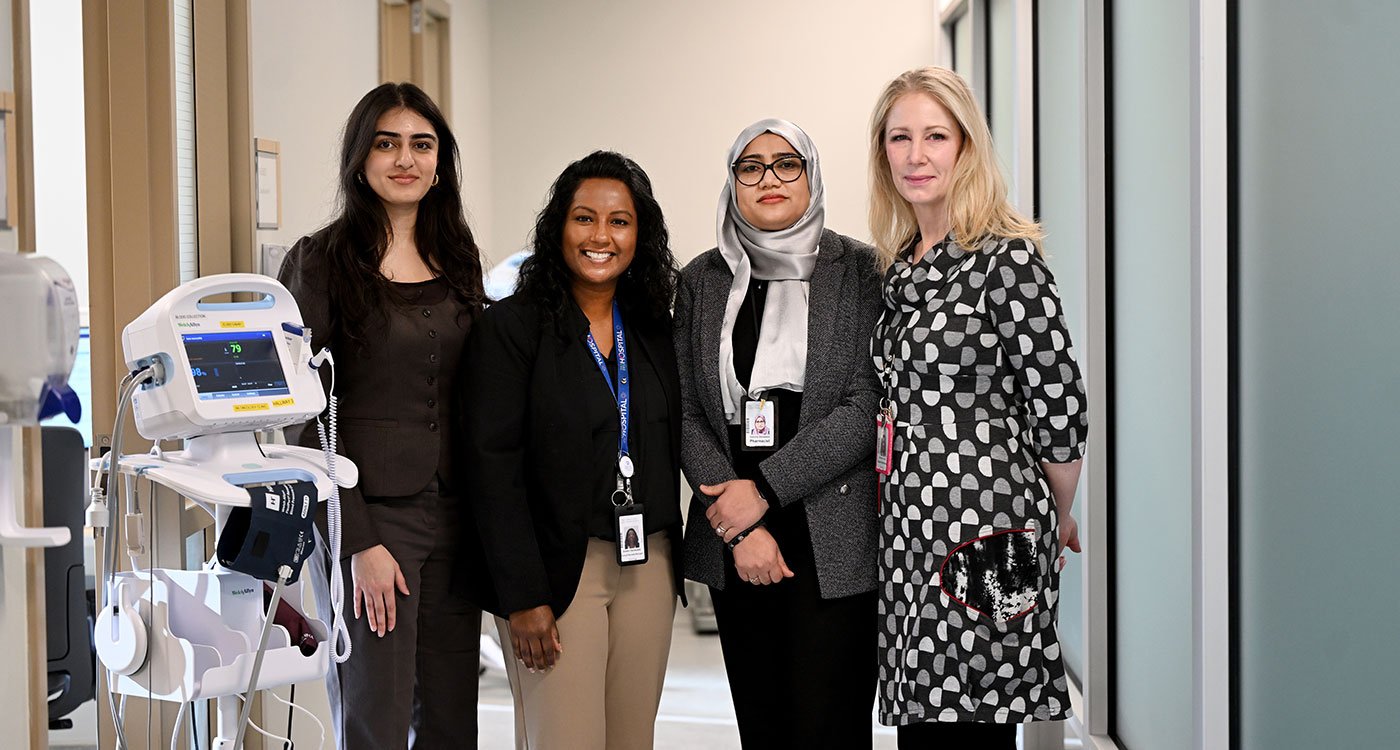
Cancer treatment has evolved over time with recent advances expanding the options, including innovative approaches such as targeted therapies and immunotherapies. Immunotherapy now offers multiple modalities, including immune checkpoint inhibitors, chimeric antigen receptor (CAR) T-cell therapies and T-cell engagers, providing more precise and personalized alternatives for many patients.
T-cell engager therapies are transforming cancer care by harnessing the body’s immune system to target malignant cells. Several T-cell engager therapies are currently approved in Canada, including Tarlatamab, Teclistamab, Glofitamab, Elranatamab and Talquetamab.
These agents have created meaningful new options for patients with hematologic malignancies, particularly multiple myeloma and B-cell lymphomas and are now expanding into solid tumours, including small-cell lung cancer. While promising, these therapies introduce important clinical and operational complexities, and as their adoption expands understanding their real-world impact becomes increasingly critical.
A multidisciplinary team from William Osler Health System (Osler) recently shared findings from a retrospective evaluation examining the real-world use of T-cell engager therapy, with a focus on cytokine release syndrome (CRS), immune effector cell-associated neurotoxicity syndrome (ICANS), and the operational impact on care delivery. This research question was explored in depth as part of the Osler Research Institute for Health Innovation (ORIHI) Summer Student Research Program.
CRS and ICANS are known reactions associated with T-cell engagers and other immune effector therapies such as CAR T-cell treatment, which occur from an overactive immune response. CRS involves systemic inflammation including fever, low blood pressure, organ dysfunction and ICANS can manifest as confusion, seizures or tremors which can significantly impact the wellbeing and safety of patients.
The evaluation reviewed outcomes for 30 patients treated within Osler’s oncology program. CRS was the most common adverse event, occurring in 77 per cent of patients, often within 12 to 24 hours of the first dose. While most cases were manageable with supportive care and the administration of tocilizumab, an inflammation treatment drug, the team emphasized that early recognition and close monitoring remain essential.
The work reinforced the importance of investing time and resources into preparation. “We wanted to make sure most of our time and resources were used to create protocols and to make sure education, monitoring, and escalation pathways were in place,” said Shalini Fernandes, Clinical Services Manager, William Osler Health System. “We used all the resources available to us including the iHuddle boards to educate staff.”
Beyond clinical management, the findings highlighted a substantial need for hospital and clinical resources. Patients receiving T-cell engager therapy experienced an average inpatient length of stay of 11.4 days, impacting staffing, bed capacity, and system resources. These insights are particularly relevant as cancer programs explore the possibility of outpatient administration models and what that means for patient care. The question remains as to how to safely support patients that experience stronger adverse effects of treatment, both during regular hours and after hours with an outpatient model.
The research also highlighted the value of real-world evidence in shaping practice. The evaluation allowed the team to validate current approaches and compare them with emerging guidance.
“Having the opportunity to look at our own data helped us gain meaningful insight, allowed us to validate our practices at Osler, and compare them against current guidelines, was truly invaluable,” noted Sabiha Delawala, Lead Oncology Pharmacist, William Osler Health System.
From a learning and capacity-building perspective, the project also demonstrates the value of the ORIHI Summer Student Research Program in advancing research. Reflecting on the experience, “I just can’t emphasize enough how great of an experience it was to learn from everyone and to be part of this work,” noted Summer Student Research Program 2024 participant Diya Nijjar.
Overall, this real-world evaluation underscores that advancing innovative cancer therapies requires more than clinical efficacy alone. Safe and sustainable delivery depends on coordinated planning across clinical teams, pharmacy, nursing, operations, and research. This is truly multidisciplinary work.
Lessons from this project will inform Osler’s ongoing oncology planning and has already contributed to broader knowledge-sharing as health systems across Canada begin to implement increasingly complex therapies.
 Subscribe

