




 Back to Search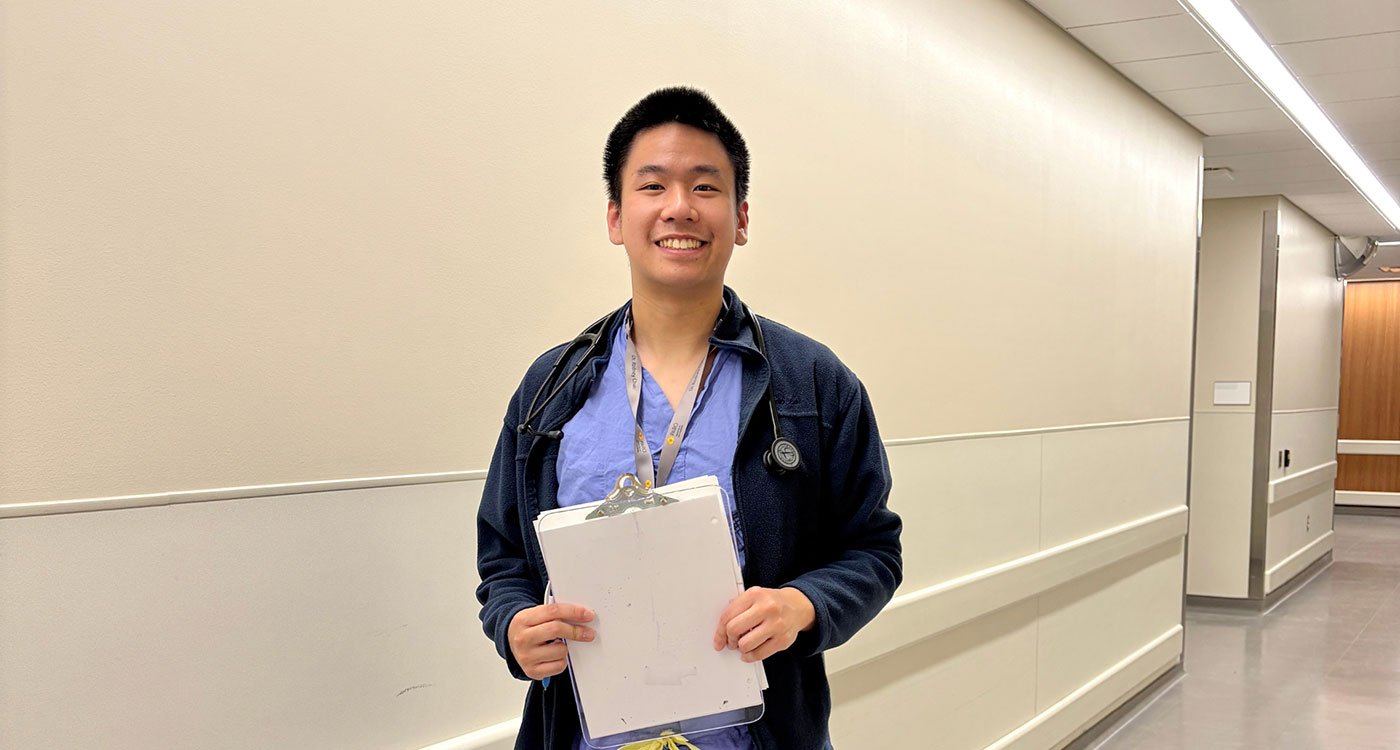
A first-year TMU psychiatry resident reflects on Osler, choosing psychiatry and being part of a historic first cohort
Resident Appreciation Week is a time to pause and recognize the important role of William Osler Health System’s (Osler) medical residents. This year marks a milestone moment at Osler with the arrival in July 2025 of 105 residents from Toronto Metropolitan University’s (TMU) new School of Medicine.
In this Q&A, first-year TMU Psychiatry Resident, Dr. Rodney Chan, shares his experience at Osler, what it means to be part of history and what inspired his path to medicine and psychiatry.
What inspired you to pursue medicine?
Throughout my journey as a pre-med student and through medical school, one of the things that inspired me was the opportunity to make a meaningful difference in someone’s life.
I was especially drawn to the clinical side of medicine because I genuinely enjoy connecting with people and having meaningful conversations. As I entered medical school, I knew I wanted a career where building relationships with patients would be part of my everyday work.
Finally, seeing the incredible progress being made in medicine, and particularly the advances in psychiatry, has given me a very optimistic outlook for the future of the field.
How did you know psychiatry was the right path for you?
In psychiatry, we often walk into a room and ask what seem like very basic questions: How’s your mood? How are you sleeping? How’s your appetite?
Even though those questions can sound routine, I’ve come to realize how much they reveal about the connection between a person’s mental and physical health. Through my experiences in medical school and during clerkship, I saw how mental health intersects with every area of care, whether that’s in the emergency department, a regular family medicine check-up, or in palliative care.
Mental health affects everyone, but in psychiatry, you’re often seeing it at a point where it’s severe enough to impair someone’s life. Being part of the transformation that can happen when people receive the right support and treatment—how they’re able to regain stability and move forward in a meaningful way—is really inspiring to me and what drew me to pursue psychiatry.
What has your experience as a resident at Osler been like so far?
On my first day at Osler, there was a resident breakfast where I had the chance to connect with residents from different specialties and to meet members of the administration. That was a very important experience for me because it immediately made me feel welcome and confident that this was a great place to train.
The people I work with at Osler are incredibly knowledgeable and skilled clinicians. On top of that, they’re also very invested in learning. They take the time to check in, answer questions, talk through cases, and tailor learning to what’s most helpful for us as residents. Honestly, I couldn’t ask for a better training environment.
The program offers a balance of clinical volume, independence and dedicated teaching time, which are essential tenets of a strong residency. First, we’re progressively training to manage the workload of a staff physician. Second, we’re receiving close supervision, while at the same time being given the independence to develop our own diagnostic impressions and treatment plans for patients. And third, there is protected time for teaching, whether that’s reviewing literature, discussing guidelines, or specific topics in our field.
What does it mean to you to be part of the first cohort of TMU School of Medicine residents?
It’s incredibly exciting and if I had to go back, I would absolutely choose the same path again. I think that our residency program has been very well prepared through the Post Graduate Medical Education office at TMU and at the clinical sites like Osler to support not only the eight residents in psychiatry, but all 105 residents.
How do you take care of your own well-being during residency?
Number one is really leaning on my friends and family, trying to spend as much time with them as possible in my free time. The second thing is pursuing hobbies, which might sound mundane, but it's things that you don't really have too much time to do in medical school. For me that’s reading eBooks, catching up on TV shows, playing guitar. And planning for vacation. I really love travelling.
 Subscribe

