
Dr. Raco’s guide to eating your way to a healthy heart
When it comes to the heart, taking preventative measures in your everyday life can make all the difference. This can take the form of small decisions and minor changes to your lifestyle, like getting moderate exercise and adequate sleep, managing stress, and of course, eating healthy.
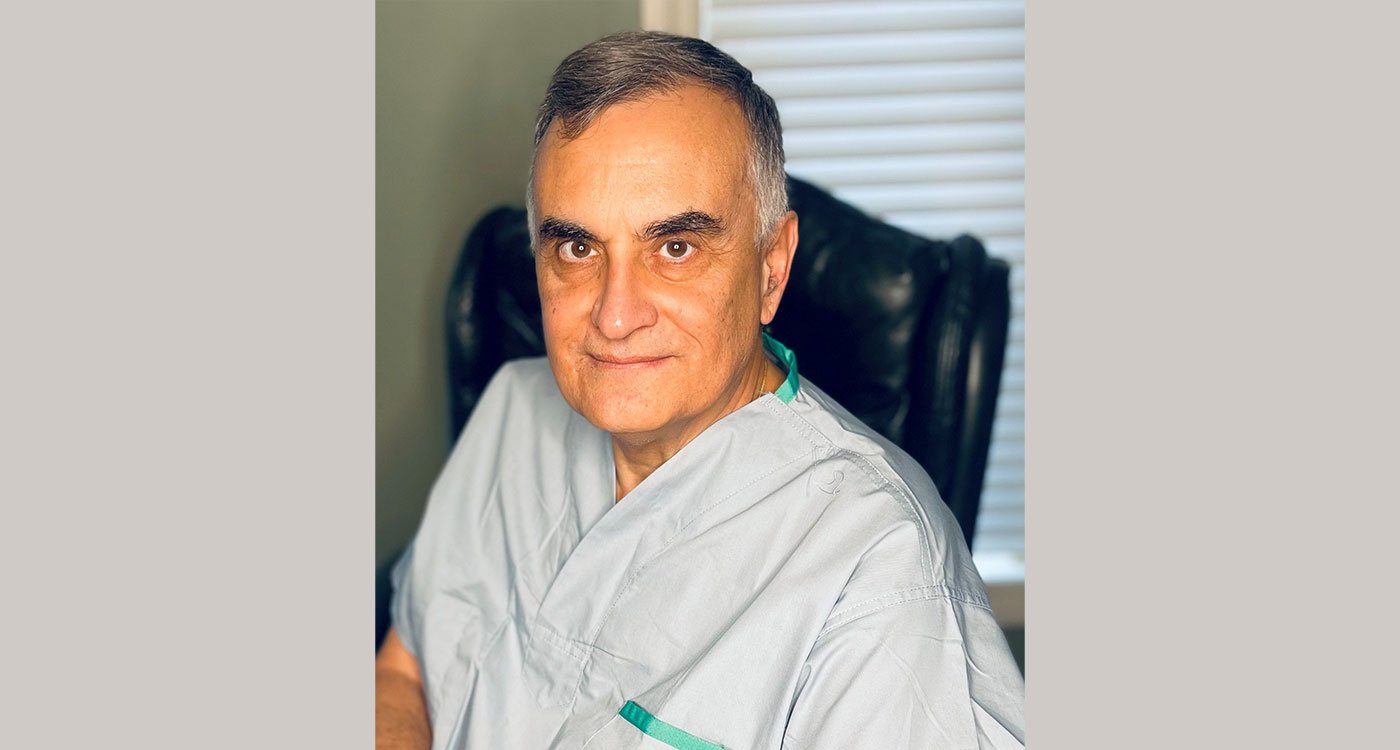
We spoke with Osler Cardiologist, Dr. Dominic Raco, for his top recommendations for eating our way to a healthy heart.
First thing’s first, adapt your diet in a sustainable way
If you are going to make changes, it’s important to make sure they are sustainable and easy to stick with in your own life. Take your time and make adjustments in a way that feels compatible with your current lifestyle.
Focus on incorporating different vegetables, fruits, nuts, and proteins in moderation. Pay attention to regular food items that may be deceivingly high in calories.
Learn and adapt to the Mediterranean diet
According to recent studies, adopting the Mediterranean diet can play a huge factor in preventing heart disease. The diet is based on the traditional way of eating in the countries that border the Mediterranean Sea, and focuses on the consumption of the following foods:
- Fruits and vegetables
- Whole grains
- Nuts
- Beans
- Moderate amounts of seafood, and lean poultry
- Moderate amounts of dairy
Adding these foods into your diet will not only add nutritional benefits, but also potentially reduce blood pressure, cholesterol and body weight, and in turn, prevent heart disease and stroke. It can also be modified to be vegetarian, vegan or gluten-free - speak to your dietitian for accurate modifications.
If you like sweets - try a surprisingly heart healthy treat
Not only does chocolate taste great, it is can be beneficial for the heart. Dark chocolate, specifically, has been said to have the potential of lowering the risk of heart disease.
The cocoa solids in the dark chocolate contain dietary flavonoids which are antioxidants found mostly in fruits and vegetables. The higher percentage of cocoa in the dark chocolate, the greater the benefits for your heart. It can be a good addition to your diet, if eaten in moderation.
When making changes, stick with what you like
In addition to eating heart healthy foods, staying active, managing stress levels and maintaining a good sleep schedule are also important factors to improving your heart health.
Making lifestyle changes can be challenging, so when you start it’s important to find ways to make the transition easier. Choose a physical activity that you enjoy and incorporate it into your day for at least 30 minutes at a time. This can include going for a walk, swimming and going to the gym. A positive sign that indicates you are building healthy habits into your lifestyle is that you enjoy doing them.
Keeping the public in the know
Sign up for the Inside Osler newsletter
Get the latest on what's going on at Osler and how it affects the community around us.