
Dr. Roth’s five tips for celiac disease awareness and management
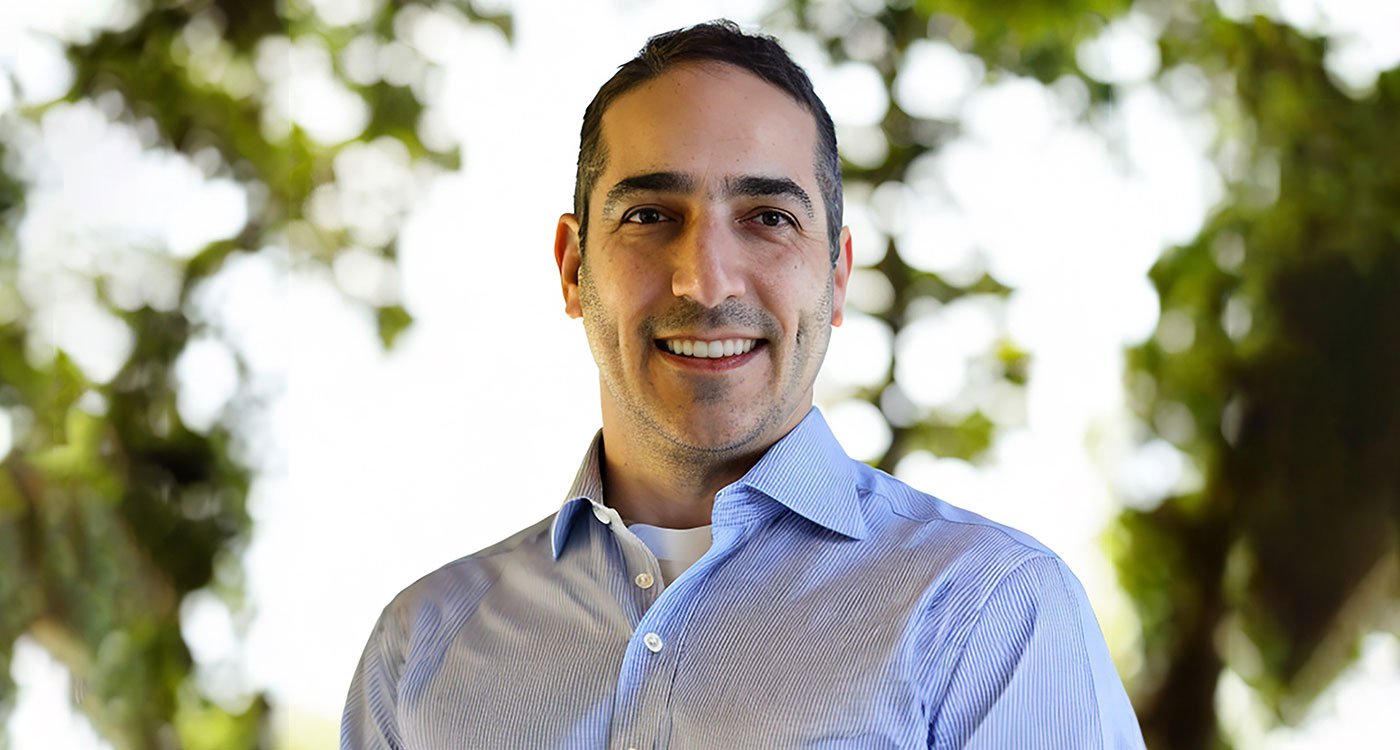
Dr. Lee Roth, MD, MSc, FRCPC, practices gastroenterology and internal medicine at William Osler Health System. He completed his training at Western University, London, Ontario, and is certified in both Canada and the United States.
Celiac disease is an autoimmune disorder that causes problems in your digestive system when you eat food with gluten, a protein found in many common grains.1 Here are some helpful tips to determine if you have celiac disease and how to help you manage it:
Know the symptoms
The symptoms of celiac disease vary in extent and severity. Infants and children often display symptoms of diarrhea, abdominal pain and poor growth. In adults, gastrointestinal complaints are common and include abdominal pain, flatulence and diarrhea. Many people have symptoms consistent with celiac disease, but only about one per cent of people actually have the disease.2 If you have any of these symptoms, speak with your family doctor.
Watch what you eat
Although research is ongoing, the only real treatment for celiac disease at this time is to maintain a gluten-free diet. Finding gluten-free options can be challenging, but there are tools – like the one found on the Canadian Celiac Association website – to assist in finding gluten-free alternatives.
Avoid a celiac disease flare-up
For anyone with celiac disease, accidently ingesting gluten means a flare-up of symptoms. To avoid pain and discomfort, it is best to be vigilant in monitoring your dietary intake and know your gluten-free options.
Get your daily vitamins and minerals
Celiac disease can lead to an inability to absorb important nutrients like iron and vitamins, which is of particular concern for children. Speak with your physician about supplements to prevent a delay in growth and development in children, and to avoid further nutritional deficiencies.
Speak with a dietitian
Following a gluten-free diet can be complex and difficult to navigate – especially in the early months of a diagnosis. Your doctor is available to help with nutritional support, or can direct you to consult with a dietitian to ensure you have the widest range of options possible and maintain a healthy lifestyle.3
Keeping the public in the know
Sign up for the Inside Osler newsletter
Get the latest on what's going on at Osler and how it affects the community around us.