
Frostbite and Hypothermia: A guide to staying safe in the cold
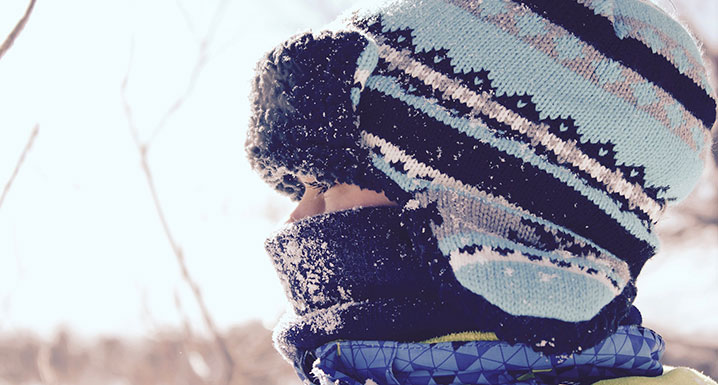
With the winter weather among us, it’s important to know the possible health effects of cold temperatures and how to best protect ourselves.
Frostbite vs Hypothermia
Frostbite occurs when your skin, tissues and/or bones freeze after prolonged exposure to the cold. It is most likely to appear on parts of the body most exposed to the cold, like your fingers, toes and face. Your risk increases when the temperature drops below -15C and the wind chill increases. At that temperature, contact with any metal substance will induce frostbite within 2 to 3 seconds! If severe, frostbite can cause permanent tissue damage.
Hypothermia is a rare but serious injury that occurs when one’s core body temperature falls below normal: below 35C. It typically occurs due to prolonged exposure to the cold, as the body is unable to produce the heat it’s losing.
What are the symptoms?
Frostbite
- Skin turns red, then white
- Pain and swelling
- Blisters form
- Skin feels frozen
- Tingly sensation
Hypothermia
- Chills and shaking
- Feeling euphoric or agitated
- Loss of consciousness
Who has a high risk of frostbite/hypothermia?
Children, seniors, outdoor workers, those who are homeless, and people struggling with mental health disorders or substance abuse.
What is frostnip?
- Deep cold feeling, then tingling or numbness
- Can lead to frostbit (first stage)
- No permanent damage if skin is rewarmed gradually
Frostnip is a milder, more common form of frostbite. Although frostnip doesn’t cause permanent tissue damage, it can lead to frostbite if not treated properly.
How can you prevent frostbite and hypothermia?
- Layer up
- Wearing multiple loose layers is always better than just one layer of clothing. Your base layer should be moisture-wicking and snug.
- The multiple loose layers on top act like a thermos around you by keeping the air between the layers warm, as an insulator.
- Protect the most vulnerable areas of the body
- Your head, face, ears, nose, hands and feet.
- Invest in a good pair of gloves, hat, waterproof, thermal socks and winter boots.
- Wearing a hat in the cold is extremely important. Your head is a large area of the body where heat escapes, which can cause hypothermia.
- Afterwards… get warm!
- Make sure you have a place to rewarm yourself if spending considerable time in the cold.
Typically, these injuries are treated at the hospital, where wet/cold clothing will be removed and the body will be gradually warmed with a warm bath or blanket. One of the most important things when treating is assessing the risk of re-exposure to the cold, as these injuries can become exponentially worse in such case. It’s also important that you do not start rewarming the affected area until you are completely out of the cold.
Frostnip can be treated by returning to warmer temperatures and gradually warming up the affected area. Please note, it is not safe to pour hot liquids or place high heat directly on the affected area.
How long is the recovery?
It really depends on the degree of injury. Frostbite can be treated in months or even on the same day, depending on severity. Hypothermia and its complications can take a significant amount of time to recover from if it’s an extreme case.
When should I seek help from a physician?
If the affected area starts to swell, pain increases, blisters form and/or your skin feels frozen after returning to the warmth, you should be assessed by a physician. However, if you’re ever feeling unsure about your condition, call Telehealth Ontario (1 866-797-0000) or visit your closest emergency department.
Keeping the public in the know
Sign up for the Inside Osler newsletter
Get the latest on what's going on at Osler and how it affects the community around us.