
“Will my cancer come back?”: Coping with the fear of recurrence
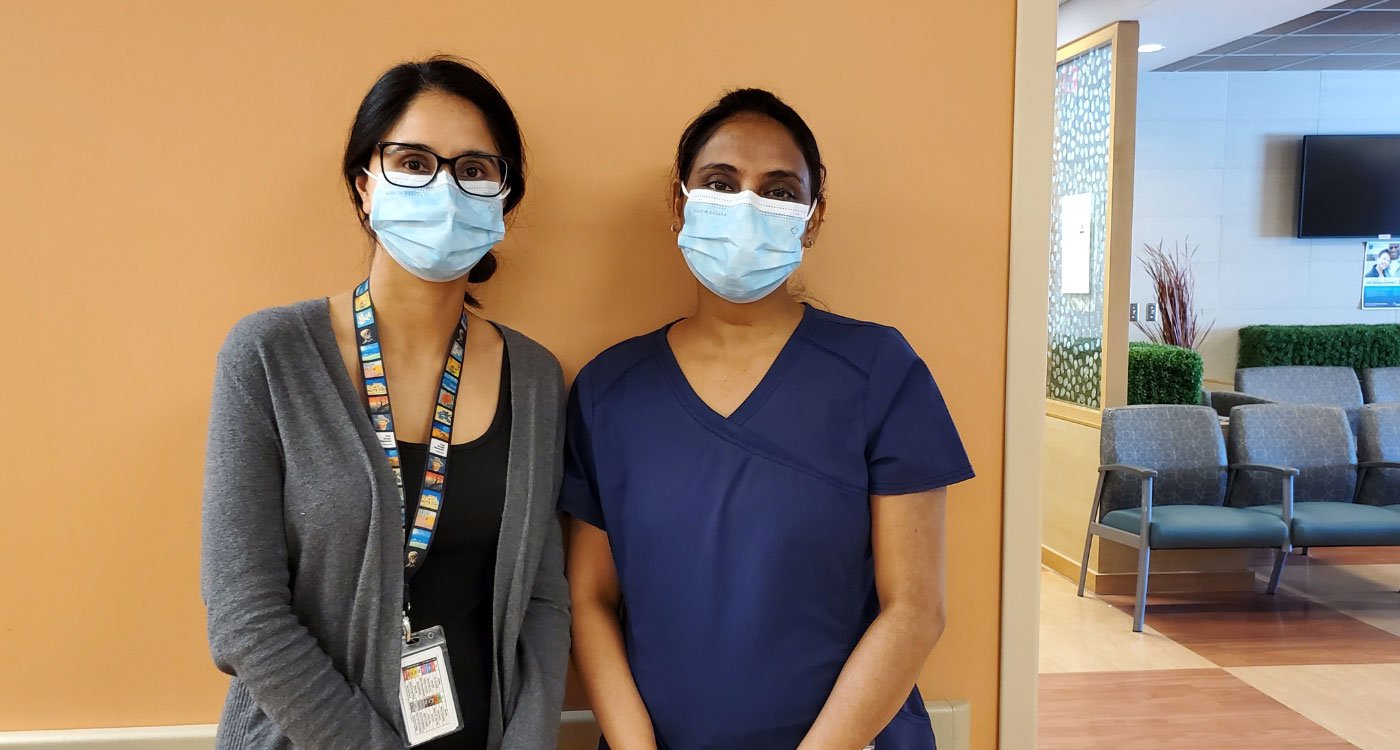
When cancer treatment ends, it is completely normal to feel a bit lost when returning back to regular life and routines. Osler’s survivorship clinic supports cancer survivors as they continue to heal and build their lives after cancer. With the end of treatment also comes a separate worry: Will my cancer come back and how do I calm this scary thought?
We spoke with Harprit, Social Worker, and Diana, Registered Nurse in the survivorship clinic about how to cope with the fear of recurrence.
First thing’s first, be informed
First off, know it is normal to have these thoughts cross your mind, especially after going through treatment. Remind yourself of the facts: your health is being closely monitored by your care team. Work with your care team to establish a follow-up plan for physical examinations and tests needed after your cancer treatment. Planning out these appointments into the near future, around work and other commitments will provide you with a sense of control and reassurance knowing your health is in good hands.
Reincorporate or adapt new ways of healthy living
Adapting a new or reincorporating a post-treatment healthy lifestyle can do wonders for your recovery. Eating nutritious meals, exercising regularly, maintaining a healthy weight, getting annual flu shots, avoiding smoking or excessive alcohol makes one feel physically and mentally healthy. Physical activity has been linked to lower rates of recurrence in certain kinds of cancer, among survivors.
Talk about it!
Acknowledge your fears with those you trust. Ignoring or hiding fears causes stress and anxiety. It is normal to have these feelings come up post-treatment, so it is so important to acknowledge them and talk it out with someone you trust. Sometimes one may worry about things unlikely to happen. A friend, family member or designated health professional can help you uncover the reasons behind your fears and help find ways to cope with them. Speaking with your health care team specifically can help by discussing the likelihood of your concerns.
Connect with those who can relate to you
Participating in support groups can create a sense of belonging that helps survivors feel less alone post-treatment. These environments give you a chance to share feelings and fears with others who understand on a different level than your loved ones. Because they have been through a similar experience to yours, you can exchange experiences, information and suggestions that might be helpful for your life and recovery as a cancer survivor.
If you’re still a bit uneasy, here are some questions to ask your health care team:
- What care plan should I follow to watch for a possible recurrence?
- What is the likelihood of the kind of cancer I had returning?
- What symptoms of a cancer recurrence should I watch out for?
- Which doctor should I speak with if I suspect a cancer recurrence?
- Can you recommend any support groups or counselling services that might help with anxiety or worry about recurrence?
Support resources in the community:
Keeping the public in the know
Sign up for the Inside Osler newsletter
Get the latest on what's going on at Osler and how it affects the community around us.